Sustainable Materials Revolutionizing Cosmetic Packaging
Biodegradable and Compostable Alternatives
One of the biggest trends in cosmetic packaging is moving to biodegradable and compostable options. Materials like polylactic acid (PLA), polyhydroxyalkanoates (PHA), and cellulose-based plastics are taking over from old petroleum-based polymers. These plant-based choices break down in industrial or home composting setups. As a result, they cut down long-term harm to the environment.
The next step is boosting work on bio-based and biodegradable materials. Mingzhuang Environmental Protection Technology Co., Ltd., a local packaging firm, focuses on creating green and biodegradable inorganic and bio-based low-carbon materials. It has made fresh biodegradable plastics using plant polymerizations like tea fiber and camellia. These are now available in the market.
To back up their eco-friendly claims, companies seek third-party certifications. This helps buyers pick wisely. It also ensures packaging meets worldwide compostability rules.
Recycled and Upcycled Packaging Solutions
Companies are turning more to recycled materials such as post-consumer recycled (PCR) plastics. This cuts dependence on new resources. Such recycled items now appear in jars, bottles, pumps, and dispensers.
Green packaging materials are spreading in commercial use. One key point is that a single material with a smoother recycling process can spread further.
Upcycling is picking up speed too. It involves reusing waste from other fields—like farm leftovers or fabric bits. Cosmetic brands thus lower their eco-impact. They also add rich stories to their products. Clear labels showing recycled content and source build buyer confidence. They promote openness as well.
Design Innovations Enhancing Sustainability
Minimalist and Monomaterial Packaging Approaches
Minimalism in packaging design goes beyond looks. It greatly aids sustainability. Basic structures with fewer parts make recycling simpler. They are easy to take apart.
The all plastic pump head of Zhongshan Lianchang uses one material. It can go straight to recycling as a unit. This fixes issues with taking apart old pump heads. Guangzhou Shanggong’s HDPE single material quantitative pump achieves full recycling. Plus, it stops oil leaks.
Monomaterial setups—like all-paper boxes or all-aluminum tubes—simplify sorting at recycling plants. This practical simplicity fits green branding. Firms can show sustainability via shape and purpose.
Refillable and Reusable Packaging Models
More brands are using refillable systems to fight one-time waste. These include store refill spots and subscription refills sent to homes.
Refillable packaging fits multiple times or gets reused. It cuts down on throwaway packaging and waste. Haomen Printing released a new reusable gift box. It mainly uses recyclable paper. It includes brand-specific small parts like leather bits and paper rope add-ons. From Topone Packaging, refillable packaging offers practical ways to extend product life.
Teaching buyers how to use refill setups is key for uptake. Strong main packaging—for repeated use—must hold up over cycles. It should keep a high-end feel that matches brand style.
Smart Packaging for Environmental Impact Reduction
Integration of Digital Technologies in Eco-Packaging
Digital tools built into cosmetic packaging are vital for green plans. QR codes connect users to full product life details. They give recycling tips and boost clarity.
NFC tags help track material sources and carbon tracks. These clever features aid circular economy efforts. Brands collect use info and improve supply chains.
AI drives exact progress. It deeply mixes AI and big data into packaging research. Yushu Packaging suggests “exploring new heights of packaging materials through the perspective of consumer big data.” They use web crawlers for user views from online shops. Then, they refine designs with real-world data.
Sensor-Based Innovations Supporting Product Longevity
Waste from outdated or ruined cosmetics remains a problem. Brands add sensor tech to check product quality over time. Time-temperature indicators let users see if storage was right.
These advances match wider aims of green use. They stretch product life and cut needless tossing.
Regulatory and Industry Standards Driving Change
Global Sustainability Regulations Influencing Packaging Design
Cosmetic brands face tougher worldwide rules on green packaging. Extended Producer Responsibility (EPR) laws make makers handle used waste. This pushes for less packaging and better recycling.
Many areas ban non-recyclable plastics. This forces firms to try biodegradable or recycled options.
Environmental care is central in packaging. Companies seek carbon cuts from materials to design and recycling. For instance, Tongchan Lixing offers the “5R principle” (Reduce, Reuse, Recycle, Replace, Regeneration). They brought out lighter tubes and swappable vacuum bottles.
Following global plans like the EU Green Deal is now a must for law. It also gives a market edge.
Certifications and Eco-labels as Market Differentiators
With rising greenwashing worries, outside certifications prove real green claims. Labels like FSC (Forest Stewardship Council), Cradle to Cradle, or Ecocert help buyers spot true eco-products.
Open labeling builds brand trust among green-minded shoppers. These marks matter in crowded markets. They sway buys toward rule-following brands.
Consumer Preferences Shaping Sustainable Aesthetics
Visual Trends in Eco-Friendly Cosmetic Packaging
Design keeps signaling sustainability. Earthy colors, dull finishes, and rough textures link to nature and eco-duty.
The packaging field has shifted from “functional practicality” to “emotional resonance.” Firms use creative looks, touch details, and hands-on experiences. This turns packaging into a brand-user link.
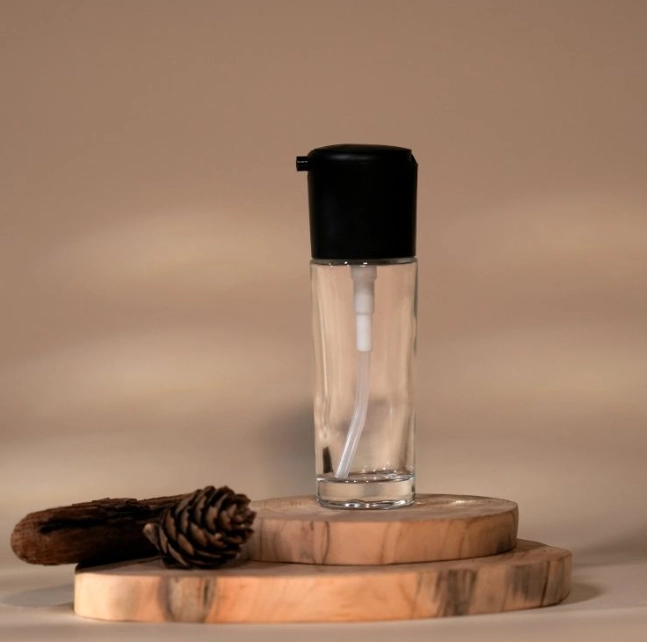
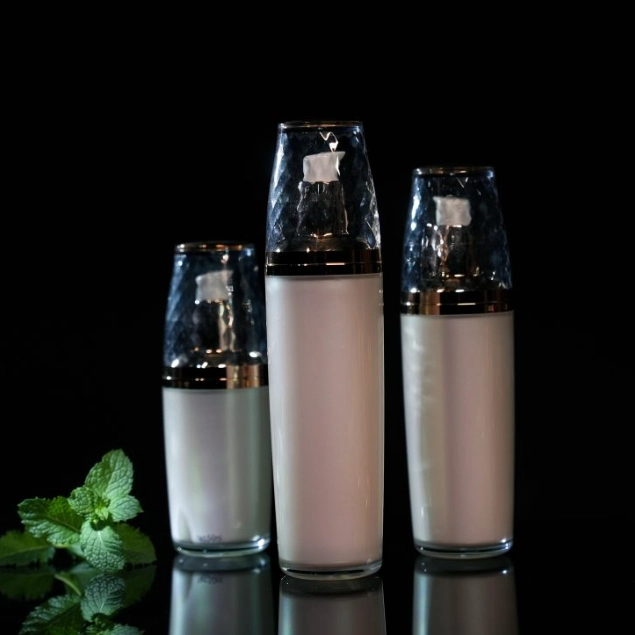
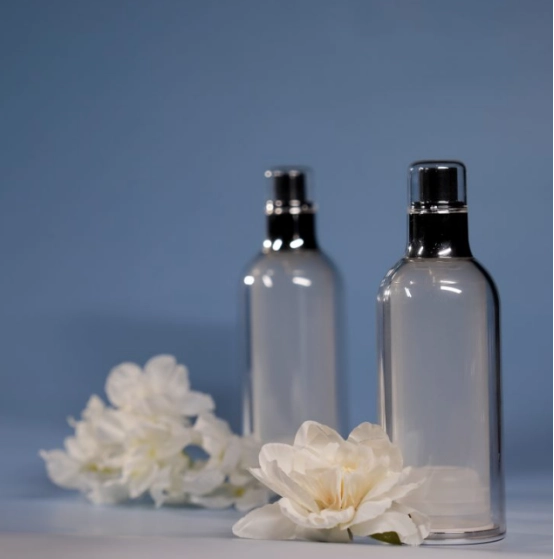
Clear packaging showing natural mixes cuts dyes or covers. It boosts recycling and shows realness. The style now stresses ease, cleanness, and planet care. From Topone Packaging, airless cosmetic bottles provide a sleek, eco-smart choice for daily use.
Customization and Personalization within Sustainable Frameworks
Personalization isn’t just for high-end anymore. It’s part of green tactics. Digital printing lets brands tailor packaging with little waste. No big print batches needed.
To draw varied buyers, more brands craft packaging in diverse styles. This meets personal wants.
Modular setups allow tailoring without losing material smarts. For example, premium customizable glass packaging from Topone Packaging gives clients options in shape, size, finish, and decor. It keeps recyclability and looks intact. From the shape and size to the color and design, you have the freedom to create a bottle that truly reflects your style and vision.
Challenges and Opportunities Ahead for 2026 and Beyond
Balancing Performance with Environmental Responsibility
A top issue is matching function with eco-harm. Top cosmetic items need layered barriers for keeping fresh. But those are hard to recycle.
New single-material barrier tech solves this. It gives needed shield while staying recyclable. Life cycle checks guide these steps. They review eco-effects from making to use and end.
Brands juggle barrier needs and material greenness. Fresh barrier methods aim to keep product safe without layered mixes.
Innovation Ecosystems Supporting Scalable Change
Teamwork is the way ahead. New firms lead by testing bold fixes—from biodegradable films to smart caps. They nudge big players to take them up.
Raw material and OEM advances no longer rely just on orders or few-firm know-how. They grow via research and tech spending.
R&D funding is key. It meets changing rules and buyer hopes for full greenness. Team-ups across fields—like designers, scientists, engineers, and sellers—build a quick packaging network for 2026 and later.
FAQs
Q: What are the latest trends in sustainable cosmetic packaging?
A: The latest trends in sustainable cosmetic packaging include the use of biodegradable and compostable materials like PLA and PHA, recycled plastics, and upcycled materials. Brands are also focusing on minimalist designs, refillable packaging, and integrating smart technologies to reduce environmental impact.
Q: How are cosmetic brands integrating technology into eco-friendly packaging?
A: Brands are integrating digital technologies like QR codes, NFC tags, and sensor-based innovations into their packaging. These tools help track material sources, provide recycling information, and monitor product quality, enhancing sustainability efforts and improving the consumer experience.
Q: Why are certifications and eco-labels important in cosmetic packaging?
A: Certifications and eco-labels like FSC, Cradle to Cradle, and Ecocert are crucial in proving a brand’s eco-friendly claims. They help consumers identify genuinely sustainable products, build brand trust, and differentiate the brand in a competitive market.