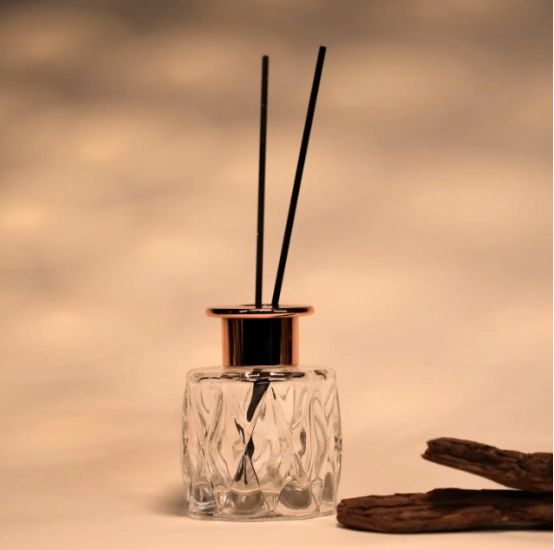
Reed diffusers are now common in homes as a safe, easy way to add fragrance. They work without flame or electricity. Unlike candles or plug-ins, they use reeds to pull oil from a bottle and release scent into the air. A key measure of performance is “throw.” This means how strongly and widely the scent spreads in a room. Throw depends on the oil formula and reeds, but the bottle design matters a lot too. A good bottle design improves diffusion and makes the product more appealing.
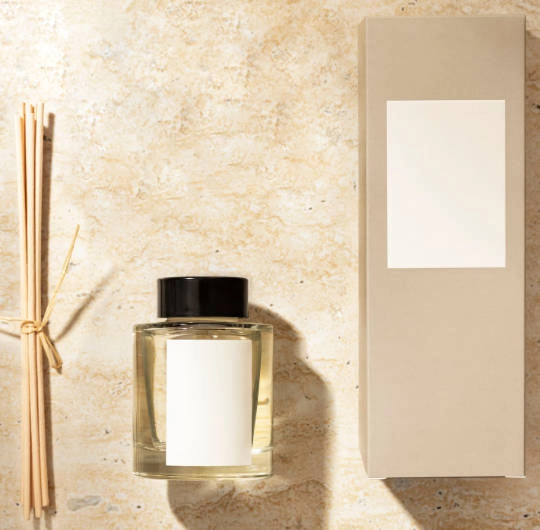
From a scientific view, performance comes from evaporation and capillary action. These are linked closely to the bottle’s shape and features. Packaging has shifted from basic function to creating emotional appeal. Diffuser bottles now need to combine efficiency with good looks. Companies like Topone Diffuser Bottle Supplier lead this trend. They provide custom glass packaging for perfume bottles, diffuser bottles, cosmetic jars, essential oil bottles, and other personal care items.
Understanding the Basics of Scent Throw
To see how bottle design affects throw, look at the two main processes: wicking and evaporation. Wicking happens when reeds soak up oil through capillary action. They carry it upward. There, it evaporates into the air. The strength and reach of the scent depend on how well these steps work.
Several factors affect throw:
- Surface Area for Evaporation – More exposed area means more fragrance can evaporate.
- Air Movement Around Reeds – Better airflow helps spread scent molecules.
- Liquid Contact with Reed Bases – Good contact lets reeds wick oil better.
- Evaporation Rate – This is affected by room temperature, oil thickness, and bottle material.
The first three are directly shaped by bottle design. This shows why picking the right bottle is important for best performance.
Choosing the Right Bottle Features
Neck Opening and Width
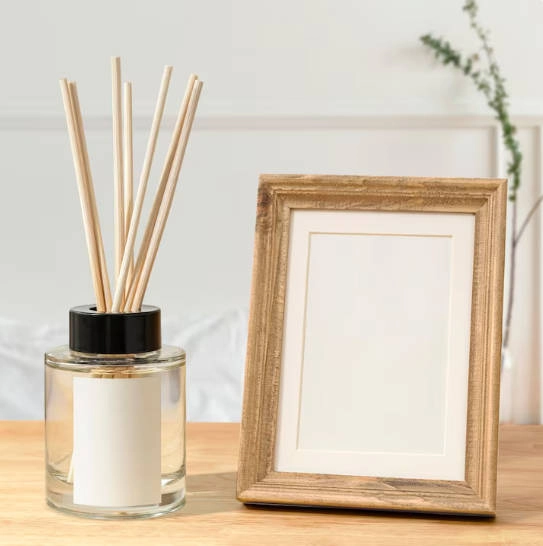
A wide neck lets reeds spread out instead of staying bunched. This spreading boosts surface area for evaporation. It also improves airflow between reeds. Both help create strong throw. Narrow necks limit reed movement. Reeds clump together and work less well.
Topone Packaging Wholesaler’s diffuser bottles, such as ATB00077 and ATB00027, show good wide-neck designs. They are functional and attractive. Crafted with care and detail, our aromatherapy bottles enhance essential oil benefits. They also add elegance to daily use.
Bottle Shape and Base Design
The overall shape affects performance greatly. Shorter, wider bottles usually work better. They give more surface area for reeds and air contact. Bottles with convex or raised inner bases help too. They keep all reeds touching the oil, even as the level drops. This maintains steady wicking.
Such features fit current packaging trends. The industry focuses on environmental care, innovative design, emotional appeal, and better efficiency. Bottles like Topone Diffuser Bottle Wholesaler’s ATB00021 and ATB00080 balance style and practical structure.
Overall Size and Volume
Larger bottles might seem good for long use. But they can reduce throw. Deep oil levels make it harder for reeds to reach fresh fragrance steadily. Medium sizes (100-200ml) with broad bases and wide necks are better. They support strong early evaporation and steady performance.
The best diffuser bottle usually has:
- A short and wide shape,
- A wide neck opening,
- A convex or raised inner base,
- And high-quality glass material.
At the core of our aromatherapy bottles is quality and customization. This ensures efficiency and visual charm.
Practical Tips for Testing and Improving Bottle Performance
- Pick Bottles That Match Looks and Function Choose a style that fits your brand image. It should also meet needs like neck width and base shape.
- Use Matching Reeds and Fragrance Oils Select natural rattan or fiber reeds of proper length and number. Pair them with oils of suitable thickness for smooth wicking.
- Run Basic Tests in Standard Conditions Set up a controlled space. Test initial throw strength with the same room size and reed count.
- Change Bottle if Throw Is Weak If results are poor, try a wider-neck bottle or one with a shallower base.
- Add Placement and Care Advice Put diffusers in busy areas with good airflow. Keep them away from direct sun or vents. Flip reeds weekly for steady release.
These ideas match the industry’s push for smart design. AI helps drive precise innovation. Big data aids research into packaging materials. Brands can use data-driven tests to refine diffuser designs.
Tips for Balancing Throw with Duration
Trade-offs often exist between strong throw and long-lasting scent:
- For stronger throw: Choose wide-necked, short bottles with convex bases. Use more reeds (6–8) to boost surface area and evaporation.
- For longer duration: Pick slightly narrower or taller designs. They limit exposure and slow evaporation.
Formulation changes can help too. Use slower-evaporating carrier oils or adjust essential oil amounts.

Selecting the best diffuser bottle goes beyond looks. It involves smart design choices based on science. With diffuer bottle custom options from Topone Packaging Manufacturer, companies can offer versatile, stylish, and eco-friendly products. These enhance aromatherapy for users. Features like short wide shapes, open necks, and raised bases greatly improve scent throw.
Brands should test various designs. Consider factors like reed fit, oil thickness, room airflow, and user habits. For more improvement, explore reed types, carrier oils, and fragrance mixes. All these contribute to a great scent experience.
FAQ
Q: What neck width works best for diffuser bottles to boost scent throw?
A: Wide-neck bottles let reeds spread out. This increases evaporation area and airflow for stronger throw. Narrow necks favor longer life by limiting direct oil evaporation.
Q: Why pick short and wide diffuser bottles instead of tall ones?
A: Short, wide bottles offer more reed exposure and better air contact. This leads to stronger early scent spread and steady performance compared to tall designs.
Q: What is the ideal volume for diffuser bottles?
A: Medium sizes (100-200ml) are suggested. They balance good early throw with duration. They avoid deep oil levels in big bottles that can disrupt steady wicking.
Q: How does a convex or raised base help diffuser bottles?
A: A convex or raised inner base keeps reeds in contact with oil as levels fall. This supports efficient wicking and better overall throw.