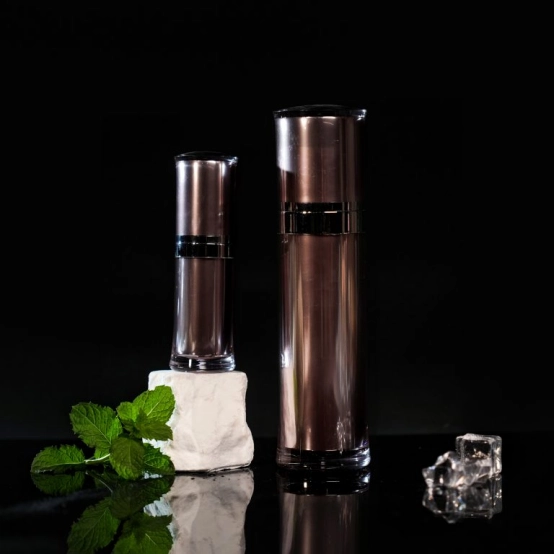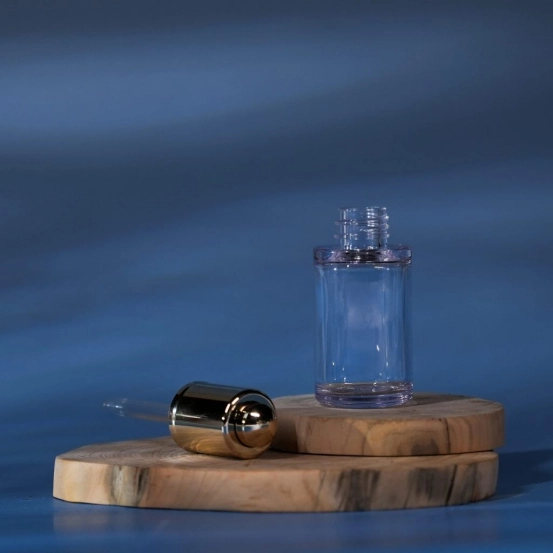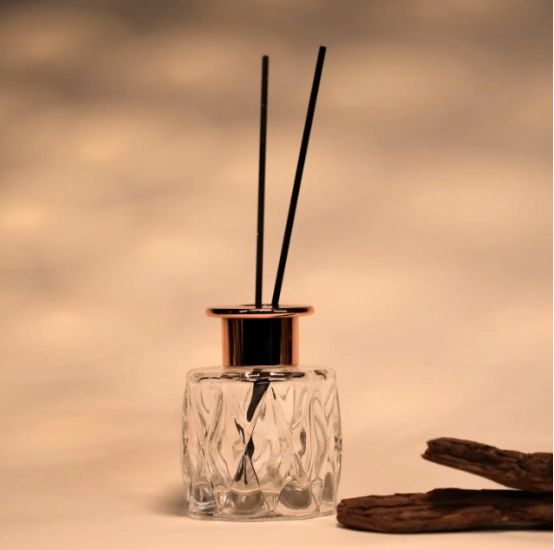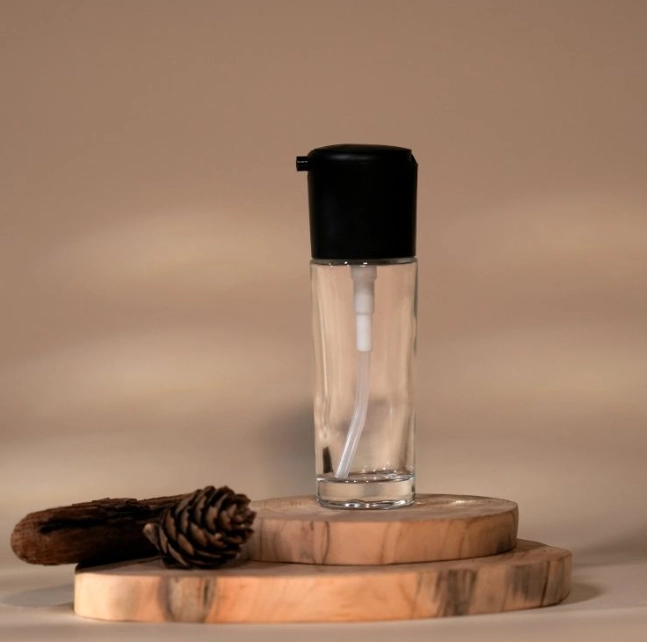
In today’s high-end skincare world, even the best formulas can go bad quickly if the packaging is wrong. As we head into 2025, brands are no longer focusing only on the formula. They now care about total product protection. Packaging isn’t just a container anymore. It’s a shield. To keep products strong and stable for a long time, packaging must block oxygen, light, and germs. The smartest brands use three key technologies together: airless pumps, completely opaque materials, and refillable designs. When combined, these can keep delicate products working well for 18–24 months after opening.
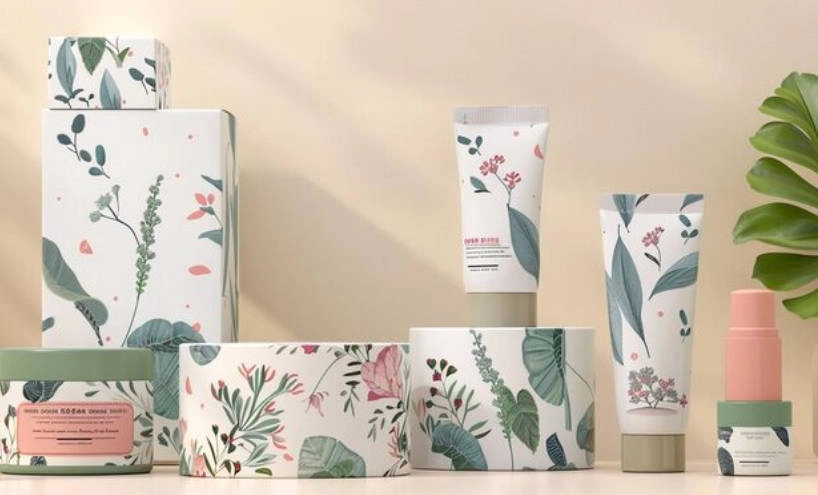
Why Airless + Opaque + Refillable Packaging Keeps Products Fresh Longer
Most cosmetic spoilage happens because of three things: oxygen, UV light, and bacteria. Research shows these cause more than 80% of formula breakdown. Airless, opaque, and refillable packaging fight all three at once. They create an almost perfect seal around the product.
Here’s a real example. A 15% vitamin C serum in a regular dropper bottle loses about half its strength in 6–8 weeks. The same serum in airless, fully opaque packaging stays over 90% effective for 12–18 months. This isn’t just nicer to use. It completely changes how long the product actually works.
How Airless Technology Protects Sensitive Actives
Airless cosmetic bottles use a vacuum piston or collapsible bag. They stop air from ever getting inside. This matters most for ingredients that oxidize fast, like pure vitamin C, retinol, peptides, probiotics, and growth factors.
These systems push product out without letting air back in. You also get almost every drop out of the bottle. Plus, brands can use fewer preservatives because there’s no risk of contamination from backflow.
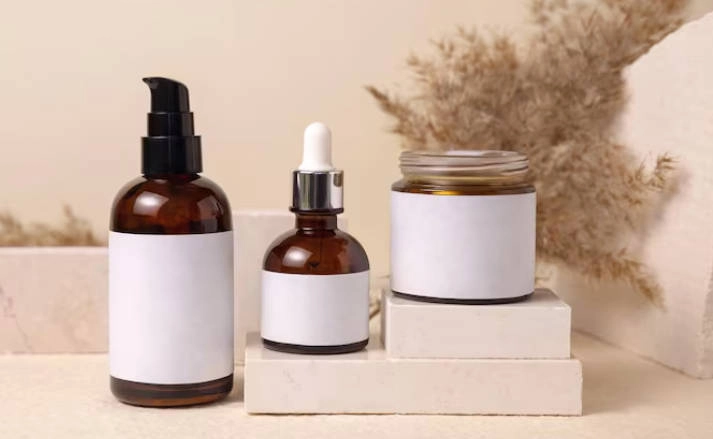
Why Opaque Packaging Is Non-Negotiable
Light is a silent killer for many actives. Retinoids and plant extracts hate UV rays. Studies prove that even normal room light or sunlight can destroy their power quickly.
The best light-blocking options are amber or violet glass, ceramic-coated jars, aluminum tubes, and fully opaque plastic airless bottles. Clear or see-through packaging is fine only for anhydrous oils. For anything water-based, it kills shelf life fast.
Refillable Systems: Luxury That Doesn’t Sacrifice Protection
Refillable packaging feels premium and cuts waste. The outer jar or bottle—usually heavy glass or thick plastic—lasts forever. You just replace the inner pod. Those pods still have full airless and opaque protection.
More and more brands now sell refill pods. It reduces trash dramatically. Companies like Topone Packaging Wholesaler make beautiful glass cream jars with refill inserts. They look luxurious, work perfectly, and help the planet.

How to Pick the Right Combo for Your Product
- Liquid serums → need full airless + fully opaque packaging
- Thick creams → do best in airless jars with opaque walls
- Sunscreens → must block both air and light; use double-layer opaque tubes
- Oil balms → can handle slightly simpler packaging, but opaque is still better
Prices range from budget-friendly plastic airless pumps to high-end refillable glass. Always test compatibility, dispensing, stability, and germ resistance.
The Marketing Bonus
Today’s shoppers want products that stay potent. Airless and opaque packaging screams “serious science.” Add refillability and you also get the eco-friendly story. Customers complain less about oxidation. They buy refills again and again. Loyalty goes up. Lifetime value rises.
These Three Features Beat the PAO Symbol Every Time
The little jar icon on the back (“12M” or “24M”) is just a rough guess. Real shelf life depends on packaging. Regular jars let in air and fingers every use. Products die fast. Airless opaque systems keep actives strong much longer. The full trio—airless + opaque + refillable—gives the longest life and the best experience.
Brands that switched report far fewer returns and bad reviews about oxidized or separated product.
The Future Is Clear
From 2026–2030, experts predict every luxury skincare product over $150 will come in airless-opaque-refillable packaging as standard. New innovations include biodegradable pistons, 100% recycled opaque plastics, and smart refill reminders via NFC chips or apps.
Airless stops oxygen. Opaque blocks light. Refillable keeps the protection going for years. Together, they change everything about cosmetic shelf life. Topone Cosmetic Packaging Manufacturer , founded in 2017, specializes in premium customizable glass packaging for fragrance, skincare, and essential oils—perfect for building your own airless-opaque-refillable system. Want your formulas to stay powerful for 18–24 months after opening? Let’s create your ideal packaging solution.
FAQ
Q: What is the most important feature in cosmetic packaging for preserving active ingredients like vitamin C and retinol?
A: Airless technology. It completely stops oxygen—the main reason these ingredients lose power.
Q: Why should cosmetic packaging be fully opaque instead of clear or amber-tinted?
A: Fully opaque materials block 100% of UV and visible light. Amber or tinted options still let too much light through.
Q: Do refillable cosmetic packaging systems compromise product protection?
A: Not when done right. Premium refillable designs use permanent high-barrier outer containers plus airless, opaque inner pods. You get the same 18–24 month stability with less waste.